
Designing for Accessibility: Inclusive Puzzle Logic in 2026
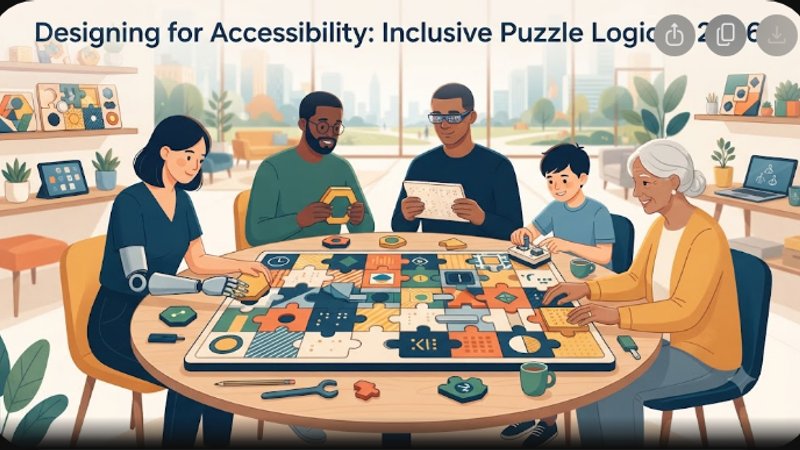
Accessibility is no longer a 'nice-to-have' feature; it is a core design requirement for global reach. In 2026, inclusive design means ensuring that players with visual, auditory, or motor impairments can experience the same joy as anyone else.
Beyond Simple Color-Blind Modes
True inclusivity requires rethinking how information is conveyed. Relying solely on color to differentiate puzzle elements is a critical failure in modern game design.
Symbolic Redundancy
Adding unique shapes or patterns to every colored gem or block to ensure clarity for all users.
Adaptive Controls
Implementing customizable touch zones and support for external assistive devices.
Audio Cues
Using distinct sound frequencies to signal success or failure, aiding visually impaired players.
By broadening your audience, you naturally increase your retention metrics. An inclusive game is a more polished game for everyone.
- Contrast ratios should meet WCAG 2.1 standards.
- Provide a 'Slow Motion' mode for timing-based puzzles.
- Include a comprehensive remapping menu for all gestures.
Industry Insight: Games that implement full accessibility suites see an average 12% increase in total active users across global markets.